
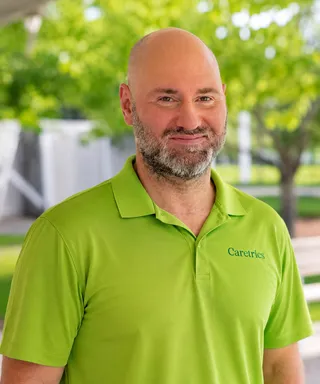
I spent twenty years building software. Healthcare is where the work became personal.
I grew up in a blue-collar family in Windsor, Ontario. Work meant showing up, helping where help was needed, and not making much noise about it. I carried that with me to Ottawa and into a career building software.
I worked my way into executive leadership at Trend Micro, Pythian, and Mitel, and learned what it takes to run systems other people depend on.
Today, I'm building software that helps good people run better businesses. My focus is clinics, and the operational work that gets in the way of looking after people.
- 20+ years
- Building software
- 50+ clinics
- Reviewed firsthand
- Ottawa, Canada
- Based in
Where healthcare came in.
My father was sick for ten years. The system meant to help him kept hurting him instead: sepsis from a catheter, a stent that went wrong, mistake after mistake until he lost his mobility. Watching that is what made healthcare personal for me, before it was ever a business.
Professionally, I kept circling the same system. I spent years as a systems architect inside large managed health-service organizations, then built Dentallytics, an analytics platform for dental service organizations.
As a digital advisor through the Canadian Digital Adoption Program, I worked directly with clinic owners on the gap between software, operations, and care. I have family members who run clinics. I have tried more than once to build clinical software companies.
It is difficult work. The workflows are complicated and trust is earned slowly.
I went through twelve months of bookings, visits, and billing for more than fifty clinics, one clinic at a time, and kept finding the same four gaps.
Every side of the system.
I have built things that did not survive. Athlete Builder, an educational platform for youth sports, had real customers and an economic model that could not sustain them. Another product helped orthopedic surgeons deliver care protocols; I believed in it, and the market was hard to win and harder to go deep in. Different failures, the same two lessons: stay close to the people doing the work, and test the business before the product.
I have been the architect inside the system, the founder selling into it, part of a family that runs clinics in it, and the son it failed. Most people see healthcare from one seat. I have sat in nearly all of them, and that is the experience Caretrics is built on.
What I am building now.
Caretrics
I'm building Caretrics to help clinic teams using Jane see where revenue and follow-up work need attention, decide what to work on next, and check what changed.
See CaretricsClinic Operations
I'm starting a place for the people running clinics to compare notes on what works and where they get stuck. One clinic or several, there's something to learn from each other.
Talk with me about clinic operations →Outside the work.
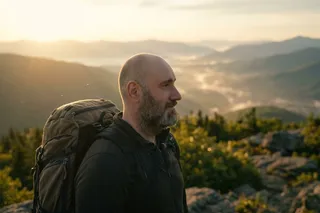
I will probably always be an entrepreneur. I like athletics, travel, AI experiments, and small projects that teach me something.
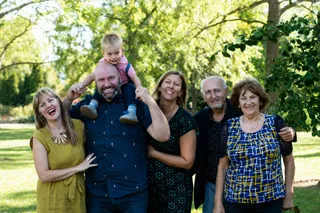
I am a dad to two kids and have mentored with Big Brothers Big Sisters for over a decade. Family and community keep the rest in proportion.
At the centre of all of it, I try to work hard, treat people well, and build things that earn their place.
People who do good should do well. If what I build adds work to care, it has failed.
 Rob Saric, founder of Caretrics